Just Breathe Machine Embroidery Design Review
As an embroidery designer who has spent years digitizing and reviewing files for small business merchandise, I approach every new machine embroidery design with a critical eye toward commercial viability. It is not enough for a file to look pretty on a screen; it must perform flawlessly on a cap, withstand the industrial wash cycles of a staff uniform, and elevate a brand's identity. Today, I am reviewing the Just Breathe Machine Embroidery Design, an Inspirational piece that promises elegance through script and floral motifs. My goal is to determine if this digital embroidery file is ready for prime time in the world of branded patches, boutique apparel, and custom goods.
First Impressions: Elegance Meets Handmade Charm
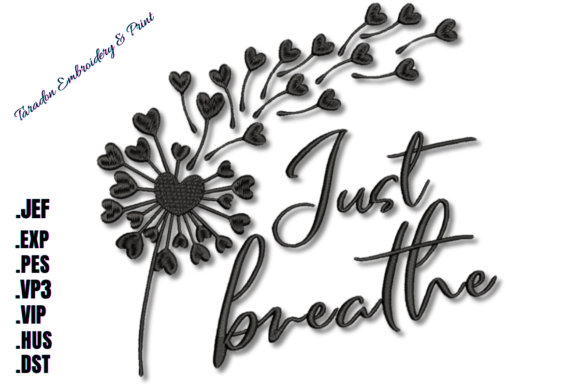
Upon loading the preview of the Just Breathe Machine Embroidery Design, the immediate impression is one of refined softness. The description highlights "elegantly scripted words adorned with a delicate heart flower and petals gently floating above," and visually, this translates to a design that feels both premium and approachable. Unlike bold, blocky logos often used for corporate workwear, this design leans heavily into the handmade product aesthetic. It carries a rustic yet modern vibe, making it exceptionally suitable for lifestyle brands, wellness studios, bakeries, and florists.
The script font suggests a personal touch, while the floating petals add a dynamic element that prevents the text from feeling static. For a small business owner looking to convey calmness and care, this visual personality is spot-on. However, from a technical standpoint, script fonts combined with fine floral details can be tricky. The success of this design in a real-world scenario will depend entirely on how well the digitizer has managed the transition between the thick and thin strokes of the lettering and the saturation of the flower elements.
Real-World Business Applications
When evaluating a file for small business merch, I always ask: "Where does this live on the product?" The Just Breathe Machine Embroidery Design shines in specific applications where its delicate nature can be appreciated without being overwhelmed by fabric texture or wear and tear.
- Embroidered Patches: This is arguably the strongest use case. Creating a circular or organic-shaped patch with this design allows for a clean finish. A cafe could use these as loyalty rewards, or a yoga studio could sell them as standalone accessories. The "heart flower" motif makes for a charming central focal point on a twill or satin patch.
- Apron Embroidery: For bakeries and florists, branding the bib of an apron is standard. The inspirational message fits the narrative of a creative workspace perfectly. The script adds a level of sophistication that elevates the perceived value of the service provided.
- Tote Bag Design: Canvas tote bags are a staple for boutiques. Placing this design on the lower corner or centered on the front creates a stylish, wearable advertisement. The floating petals work well with the natural drape of canvas fabric.
- Cap Embroidery: While possible, this requires caution. Script on a curved surface like a baseball cap front can distort if the column widths are too wide. If the digitization accounts for pull compensation, this could be a beautiful accent on a dad hat or visor.
- Staff Uniforms: On a left-chest position of a polo or button-down, this design serves as a subtle brand marker. It is less aggressive than a large back logo, fostering a sense of intimacy and trust with customers.
Technical Considerations and Potential Pitfalls
While the aesthetic is strong, any experienced embroiderer knows that beauty often comes with technical challenges. There are several areas where the Just Breathe Machine Embroidery Design must be evaluated carefully before running a production batch.
First, consider the stitch density. Floral elements, especially those described as "delicate," can sometimes suffer from high density if the digitizer tried to make them look too solid. High density on stretchy fabrics like performance polos can cause puckering, ruining the finished product. Conversely, if the density is too low, the "meticulous stitching" promised in the description might look sparse and unprofessional on dark fabrics.
Secondly, the size of the lettering is critical. Script fonts have inherent weak points where letters connect or where strokes become very thin. If you intend to use this as a tiny label or a small patch under two inches, the fine details of the "floating petals" and the tail of the script may break down or fail to register clearly. Tiny lettering is the first casualty of frequent washing.
Fabric texture also plays a massive role. This design would struggle on highly textured materials like heavy fleece or rough canvas unless a substantial topping is used. The smooth lines of the script need a smooth foundation to maintain their elegance. Furthermore, when working with dark uniforms, the contrast of the thread colors becomes paramount. A light-colored thread on a black background needs precise underlay stitching to prevent the dark fabric from peeking through the script loops.
Impact on Brand Identity and Customer Trust
In the realm of commercial embroidery, consistency is king. Using a cohesive set of design assets helps build recognition. The Just Breathe Machine Embroidery Design contributes significantly to a brand story centered on mindfulness, care, and quality. When a customer receives a tote bag or sees a staff member wearing an apron with this level of detail, it signals that the business values aesthetics and precision.
This perception directly influences customer trust. A sloppy embroidery job suggests a sloppy business practice. However, a crisp, well-executed version of this design reinforces professionalism. It transforms a simple garment into a piece of branded merchandise that customers actually want to keep and wear, extending your marketing reach far beyond the point of sale.
Practical Notes for the Professional Embroiderer
Before committing this design to a client's order, I recommend a rigorous testing protocol. Do not assume the default settings of your machine will yield the best results. Here is my checklist for vetting this file:
- Test in Black and White First: Remove color variables to inspect the stitch structure. Ensure the script connections are secure and the flower petals have defined edges.
- Check Small Patch Viability: Stitch a sample at the smallest intended size. Verify that the "floating petals" do not merge into the text or disappear.
- Review Thread Color Contrast: Select thread shades that offer sufficient contrast against your base fabric, especially for the script portions.
- Inspect Spacing and Pull Compensation: Look for gaps between color blocks that might reveal the fabric underneath.
- Confirm Hoop Size: Ensure the design fits comfortably within your available hoop dimensions without requiring excessive re-hooping, which risks misalignment.
- Test on Real Fabric: Never judge a file solely on stabilizer. Stitch it on the actual garment material to check for puckering or registration issues.
- Use Proper Stabilizer: Given the script and floral mix, a cut-away stabilizer is likely necessary for long-term durability, especially on stretchy knits.
- Create a Printable Mockup: Generate a realistic mockup for client approval to manage expectations regarding size and placement.
- Compare Beside Other Assets: Place this design next to your existing logo or other branding elements to ensure visual harmony.
- Confirm Commercial Licensing: Always verify the license terms of the embroidery file to ensure you are permitted to use it for resale or branded merchandise.
Finally, since specific technical data such as exact stitch count, file formats, or specific hoop requirements were not detailed in the initial product summary, it is imperative to check the download package or contact the vendor for these specifics before production begins. Missing information here can lead to costly errors in a commercial setting.
In conclusion, the Just Breathe Machine Embroidery Design holds significant potential for businesses aiming to project a gentle, high-quality image. With careful attention to fabric selection, stabilization, and sizing, it can become a cornerstone of a successful custom apparel line or a standout feature on branded accessories.