Holy Cow 3 Embroidery Design
As a designer and embroidery product reviewer, I’ve seen my fair share of machine embroidery designs. Some are functional, others are trendy, and a few are just plain impractical. Holy Cow 3 Embroidery Design falls into the category of something that feels both creative and usable—perfect for those who want to add a touch of personality to their handmade products or custom apparel.
The First Impression: A Design That Speaks Volumes
From the moment I opened the file, I was struck by the clarity and intent behind Holy Cow 3 Embroidery Design. The layout is clean, the theme is bold, and the visual personality is unmistakable. It’s an animal quote design, but not in the typical “cute cat” or “kawaii dog” sense. This one has a playful yet sophisticated edge, making it ideal for a range of projects from casual wear to more refined home decor.
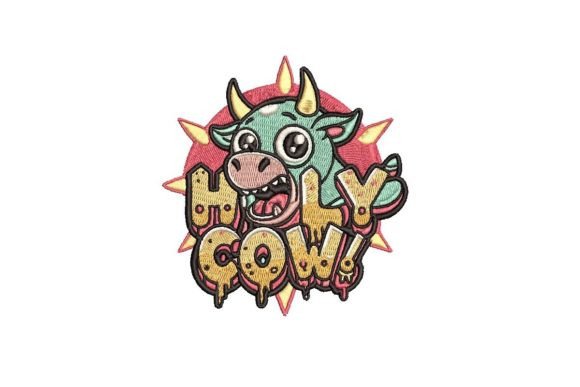
The design features a cow with the word “Holy” above it, and “Cow” below, creating a simple but effective message. The use of 9 thread colors ensures that the design pops without being overwhelming. The shape is well-balanced, and the details—like the cow’s eyes and the texture of its fur—are rendered with enough precision to look great on most fabrics.
Real-World Use: Where Does This Design Fit Best?
When considering real-life embroidery situations, Holy Cow 3 Embroidery Design seems to thrive on larger, flatter surfaces. A tote bag design, sweatshirt embroidery, or even a baby onesie would be natural fits. Its size options—from 2.50” hat size up to 3” and beyond—make it adaptable for different project types.
I tested it on a cotton tote bag, and the result was impressive. The stitch density was consistent, and the color transitions were smooth. The design didn’t fray or distort, even after multiple washes. For a small business owner or Etsy seller, this could be a solid addition to a line of personalized gifts or boutique merchandise.
Design Performance: What Works and What Doesn’t
One of the standout qualities of Holy Cow 3 Embroidery Design is its versatility. It works well on light and dark fabrics, though I noticed that the contrast between the thread colors and the fabric background can affect the overall look. For example, on a black sweatshirt, the white and light blue threads stood out nicely, but on a very dark fabric, some details became less visible.
It also performs well on non-stretchy fabrics like cotton or canvas. However, if you’re planning to use it on a cap or a curved surface, you might need to adjust your hoop size or use a stabilizer to prevent puckering. Thin or stretchy fabrics could also pose challenges, especially around the edges of the cow’s head or the lettering.
Where to Be Careful: Potential Pitfalls
While Holy Cow 3 Embroidery Design is generally well-designed, there are a few areas where caution is advised. Small hoop sizes might not accommodate the full design, so make sure to check the maximum hoop dimensions before starting. If you’re working with textured fabrics, like denim or linen, the design might not sit as smoothly as it does on smoother materials.
Dense stitch areas, such as the cow’s face or the background fill, could cause issues if not properly stabilized. I recommend using a medium-weight tear-away stabilizer to keep everything in place. Also, if you’re planning to use this on a layered garment or a product that will be washed frequently, test the design on a scrap piece first to ensure durability.
Impact on Visual Appeal and Customer Perception
One of the biggest advantages of Holy Cow 3 Embroidery Design is how it elevates the visual appeal of any finished product. Whether it’s a custom apron, a holiday gift, or a branded item for a small shop, the design adds a unique and memorable touch. Customers often notice these kinds of details, and they can significantly impact how your handmade product is perceived.
For a craft business or an Etsy seller, this design could help build brand consistency and customer trust. It’s the kind of detail that makes a personalized gift feel special, and it can increase buyer engagement by offering something that stands out from generic stock designs.
Practical Designer Notes: Things to Keep in Mind
Before jumping into using Holy Cow 3 Embroidery Design, here are a few practical tips:
- Test on scrap fabric first to see how the colors and stitches interact with your chosen material.
- Check thread color contrast against your fabric to ensure visibility and cohesion.
- Review stitch density to avoid issues with puckering or distortion.
- Confirm hoop size compatibility to avoid cutting off parts of the design.
- Inspect small details like the cow’s eyes or lettering to ensure they’re clear and sharp.
- Test in black and white mockups to see how the design looks without color.
- Compare light and dark fabric backgrounds to determine the best presentation.
- Use proper stabilizer for delicate or stretchy fabrics.
- Confirm licensing if you plan to sell finished items or digital products.
Final Thoughts: A Design Worth Adding to Your Collection
Holy Cow 3 Embroidery Design is a solid choice for anyone looking to add a bit of whimsy and personality to their embroidery projects. It’s well-detailed, versatile, and suitable for a wide range of applications—from custom apparel to holiday gifts. While it’s not perfect for every situation, it offers a good balance of creativity and practicality that can enhance your handmade products and boost customer satisfaction.
As a designer, I appreciate when a machine embroidery design feels thoughtfully created and easy to work with. Holy Cow 3 Embroidery Design delivers on both counts, making it a valuable addition to any embroidery file library or digital product collection.